
 +377 97 97 79 29
 info@miells.com
 14 avenue de la Costa, 98000 Monaco
Between the sea and the mountains, the Principality of Monaco represents far more than a symbol of luxury: it offers an exceptional living environment where every aspect of daily life is designed to ensure the well-being and safety of its residents. Known for its international influence, economic dynamism, and political stability, Monaco attracts new residents each year seeking a lifestyle that is refined, convenient, and sustainable.
Healthcare: A Cutting-Edge Medical System
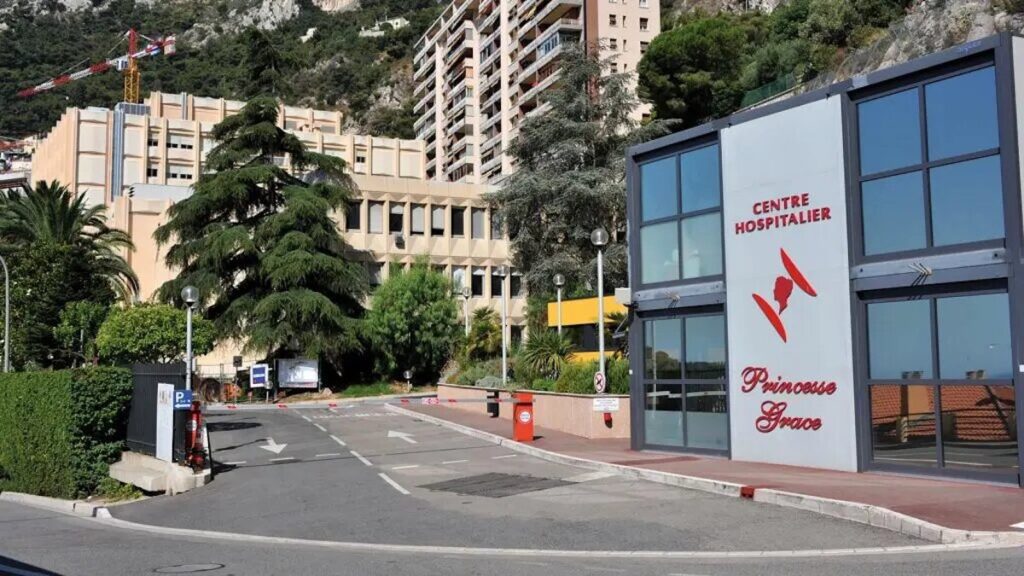
The Principality of Monaco boasts a healthcare system renowned for its quality, efficiency, and modernity. The Princess Grace Hospital (CHPG), located in the heart of Monaco, is the cornerstone of the local medical system. It features state-of-the-art facilities and specialized departments (emergency care, maternity, oncology, cardiology, geriatrics, surgery, etc.). A new hospital is currently under construction to further enhance capacity and modern infrastructure.
The hospital services are complemented by numerous private clinics, medical centers such as the Sports Medicine Center and the Cardio-Thoracic Center, as well as diagnostic laboratories, providing quick and specialized responses to any healthcare needs.
Monaco also has a comprehensive network of private healthcare professionals:
- General practitioners and specialists (cardiologists, dermatologists, ENT doctors, etc.) available with or without appointments.
- Highly qualified dentists, equipped for both aesthetic and emergency care.
- Psychologists, psychotherapists, and psychiatrists offering personalized mental health support in multiple languages.
- Osteopaths, physiotherapists, nutritionists, and other practitioners complete the range of services for holistic healthcare.
Care is partially reimbursed through the Social Services Compensation Fund (CCSS) for affiliated residents.
(CCSS) pour les résidents affiliés.
Transportation: Smooth and Comfortable Daily Travel
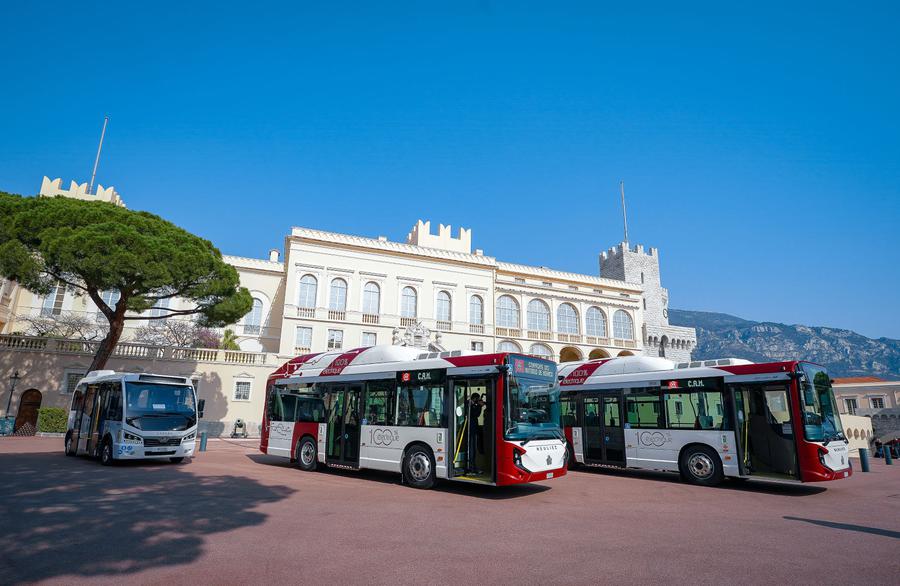
The bus network, operated by Compagnie des Autobus de Monaco (CAM), covers the entire territory with six main lines, night shuttles, and school circuits. A single ticket costs €2, while monthly passes start at €11 for students and €22 for adults. The CAM mobile app allows users to track schedules in real time.
The Monaco-Monte-Carlo train station, on the Marseille–Ventimiglia SNCF line, provides quick access to Nice (15 minutes), Menton (10 minutes), or Cannes (50 minutes). It is modern, secure, and fully underground, seamlessly blending into the urban landscape.
Taxis are available 24/7, with regulated fares: around €20 for trips within Monaco, and €90 to €120 to Nice Airport. Apps such as Monacotaxi and dedicated taxi stands simplify access.
Monaco has 40 public parking facilities throughout the city, offering nearly 15,500 spaces. Hourly rates start at €2.80, while monthly subscriptions range between €160 and €200 depending on the zone—though subscriptions can be hard to obtain, with waiting times of several weeks. Parking lots are monitored, open 24/7, and often equipped with electric charging stations.
Finally, mobility is further encouraged through public elevators, urban escalators, and the Monabike electric bike service, available from €1 per ride or via a monthly subscription starting at €18.
Safety: An Absolute Priority for Unrivaled Peace of Mind
The Principality of Monaco is universally recognized as one of the safest places in the world, a true haven of peace where security is ensured through daily coordination between cutting-edge technology and human presence. The surveillance network spans the entire territory, with over 1,000 operational cameras connected to the Operational Supervision and Command Center of the Public Security Department. In 2023, there were 1,087 active cameras, and ongoing urban expansions (Mareterra and new facilities) suggest a gradual increase. Given Monaco’s 2.08 km² surface area, this equates to over 500 cameras per km², an exceptional level of coverage that strongly contributes to deterrence and swift intervention in case of incidents.
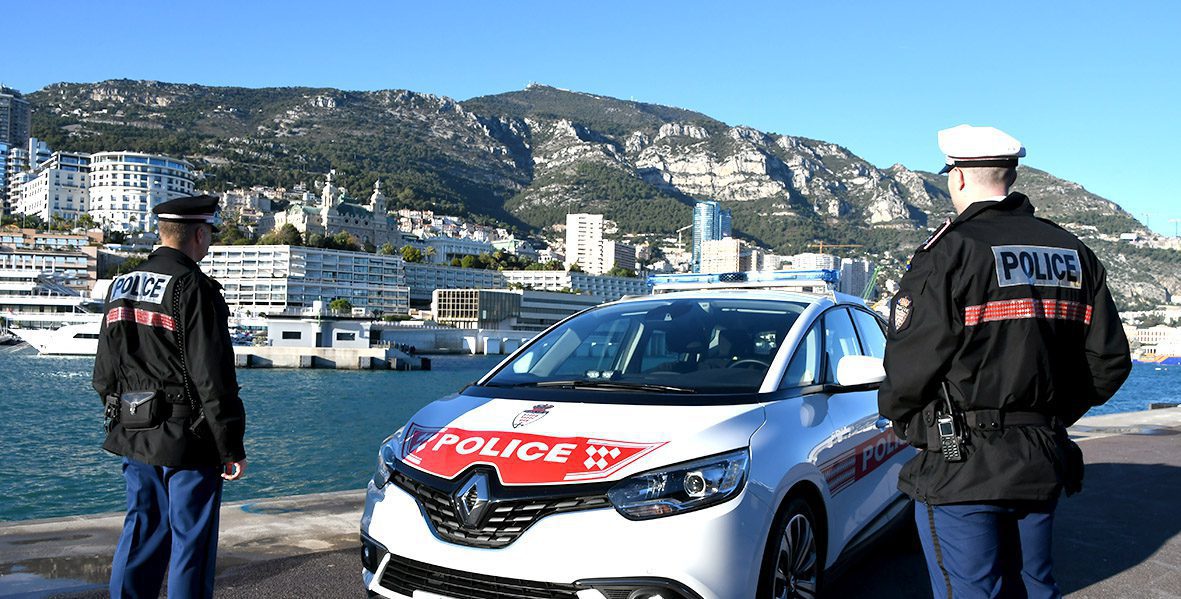
Police presence is equally impressive. The Public Security Department employs between 600 and 620 officers, according to recent figures. For a territory of 2.08 km² and a resident population of about 38,400 at the end of 2024, this amounts to roughly 300 officers per km² and one police officer for every 65 residents—among the highest ratios in the world. Patrols are visible day and night: foot patrols, motorized urban brigades, port and heliport surveillance, pedestrian and traffic management, event security, and centralized coordination with video surveillance.
Crime statistics confirm the effectiveness of this setup. Although minor crime may fluctuate from year to year, the absolute numbers remain very low by international standards. In 2024, the Public Security Department recorded just 888 general offenses. These figures highlight an environment where security is constantly monitored, managed, and improved.
Beyond public initiatives, the private sector also contributes to Monaco’s high level of security. Leading hotel and leisure operators, such as the Monte-Carlo Société des Bains de Mer (SBM), operate their own state-of-the-art control centers, sometimes with over 1,200 internal cameras, directly linked to Monaco’s police to ensure the protection of guests, gaming establishments, and prestigious events. This public-private network further reinforces Monaco’s reputation as a safe, high-end destination.
Education: A Model of Academic Excellence
Monaco’s education system reflects the Principality’s commitment to excellence and rigor. All institutions benefit from enhanced supervision, modern facilities, and highly favorable teacher-student ratios.
The system includes:
• 10 preschools and primary schools, such as École des Révoires and École du Parc.
• 3 public middle schools: Collège Charles III, Collège FANB, and ISM.
• 4 top-level high schools: Lycée Albert I (general and technological education), François d’Assise-Nicolas Barré (FANB, private Catholic), Lycée Rainier III, and ISM.
For residents of foreign origin, international institutions such as the International School of Monaco (bilingual English-French teaching) provide smooth educational continuity.
Tutoring centers, conservatories, arts academies, and sports schools complement the system.
Monaco boasts a baccalaureate success rate exceeding 98%, with graduates often pursuing higher education at top French and international universities. Higher education in Monaco is specialized in fields such as business, finance, luxury, and law. The International University of Monaco (IUM) is the main institution, offering programs entirely in English. The Principality attracts a diverse international student population within an exclusive and secure environment.
Environment: A Deep Commitment to Sustainable and Harmonious Living
Despite its small size, Monaco stands out for its ambitious and innovative ecological policies, balancing dense urban planning with respect for nature.
Nearly 20% of the Principality’s territory is dedicated to carefully landscaped green spaces, offering residents natural havens in the heart of the city. The famous Exotic Garden, with its rare plants and breathtaking sea views, along with the Princess Antoinette Park and the gardens surrounding the Casino, reflect this commitment to integrating nature into daily life.
One major priority is the energy transition. Monaco actively promotes the use of electric vehicles, with a network of over 900 charging stations strategically distributed across public parking areas, main streets, and private residences. This system is supported by attractive financial incentives, including subsidies covering up to 30% of the cost of purchasing an electric vehicle, encouraging a cleaner, quieter fleet of cars.
The Principality has also implemented an advanced waste sorting and management system, with regular awareness campaigns targeting both residents and businesses. Organic waste is recycled, and selective collection is facilitated by easily accessible sorting points.
Regarding water management, Monaco reuses rainwater for watering public gardens, reducing potable water consumption. The Société des Eaux de Monaco works to optimize this precious resource.
Monaco enforces strict environmental construction standards, with significant development of buildings certified HQE (High Environmental Quality) or BREEAM, promoting energy efficiency, thermal insulation, sustainable materials, and reduced carbon footprints.
Finally, combatting plastic pollution is a daily priority, with zero-plastic campaigns and the promotion of sustainable alternatives in shops and events. Monaco is also a global model in ocean conservation.
This exemplary environmental policy makes Monaco not only a prestigious city but also a benchmark for sustainable urban development, where nature and quality of life are closely intertwined.
Daily Life: Comfort, Leisure, and Refinement
Monaco offers a pleasant, convenient lifestyle with a wide range of services.
For families, daycare centers and kids’ clubs (such as Mini Club and the Monte-Carlo Bay Kids Club) offer varied, supervised activities during holidays or weekends.
In terms of gastronomy, the Principality is home to numerous renowned restaurants, including several Michelin-starred establishments (Le Louis XV, Le Blue Bay, Yoshi…).
For everyday needs, residents have access to various supermarkets (Carrefour Monaco, Marché U, Spar Gourmet) and convenience stores that stay open late.
Gas stations are well-distributed (Shell, Esso), and tobacconists and kiosks (notably in La Condamine and Monte-Carlo) offer international newspapers, cigarettes, scratch-off games, and postal services.
Shopping centers such as Fontvieille, the Métropole Shopping Center, and One Monte-Carlo feature a wide selection of stores, ranging from mainstream to luxury.
Administration: Simplicity and Efficiency
The Principality prides itself on simplifying residents’ lives through a modern, responsive administration. The Municipal Services Directorate, the Residents’ Service, and the government’s online platforms allow for quick and easy procedures.
Key administrative steps include:
• Opening a bank account in Monaco generally requires: a passport, proof of residence, proof of income (pay slips, proof of assets), and sometimes a bank reference letter.
• Subscribing to utilities is done through SMEG (Monaco Electricity and Gas Company) for electricity, and SMEAU for water. Contracts can be set up online or in person, with a lease or property deed, an ID, and a bank account (RIB).
• Becoming a Monegasque resident requires renting or purchasing a property suited to your family’s needs, proving sufficient financial resources, and living in the Principality for at least six months per year. A residence permit is issued within a few weeks after an appointment with Public Security.
Living in Monaco: A Promise of Serenity and Excellence
Choosing Monaco as your home means opting for much more than a prestigious location. It’s about embracing a way of life built on security, elegance, and environmental respect. Whether you are an investor, a private individual, or an entrepreneur, the Principality of Monaco offers an unparalleled quality of life, fully in line with its international reputation.