
 +377 97 97 79 29
 info@miells.com
 14 avenue de la Costa, 98000 Monaco
In 2025, Monaco experiences a profound transformation of its residential ecosystem, where renting in the Principality becomes more complex than buying. This inversion of priorities disrupts established norms and reshapes the contours of a real estate market in full metamorphosis.
For years, renting was the natural gateway to Monaco. Newcomers would first experience life in Monaco by renting, before eventually considering a purchase. This traditional pattern is now shattered under the pressure of an unprecedented rental shortage.
The Major Shift of September 2025
September 2025 marks a historic turning point. Real estate agencies report a sharp increase in purchase requests, while the rental supply literally evaporates. This abrupt disruption is no coincidence: it reflects the exhaustion of a business model that has become unsustainable for tenants.
Faced with rents sometimes reaching €100,000 per month for exceptional properties, and with a near-total lack of availability, wealthy residents are doing the math. The equation is clear: why spend fortunes on rent when investing in property offers both wealth security and residential freedom?
This logic explains, at least in part, why transactions jumped more than 50% in the second quarter, with 295 sales recorded compared to 181 a year earlier. The market is not rebounding: it is reinventing itself.
Three Real Estate Markets Now Coexist
Analysis of the 2025 market reveals an unprecedented fragmentation into three distinct layers, each governed by its own economic rules.
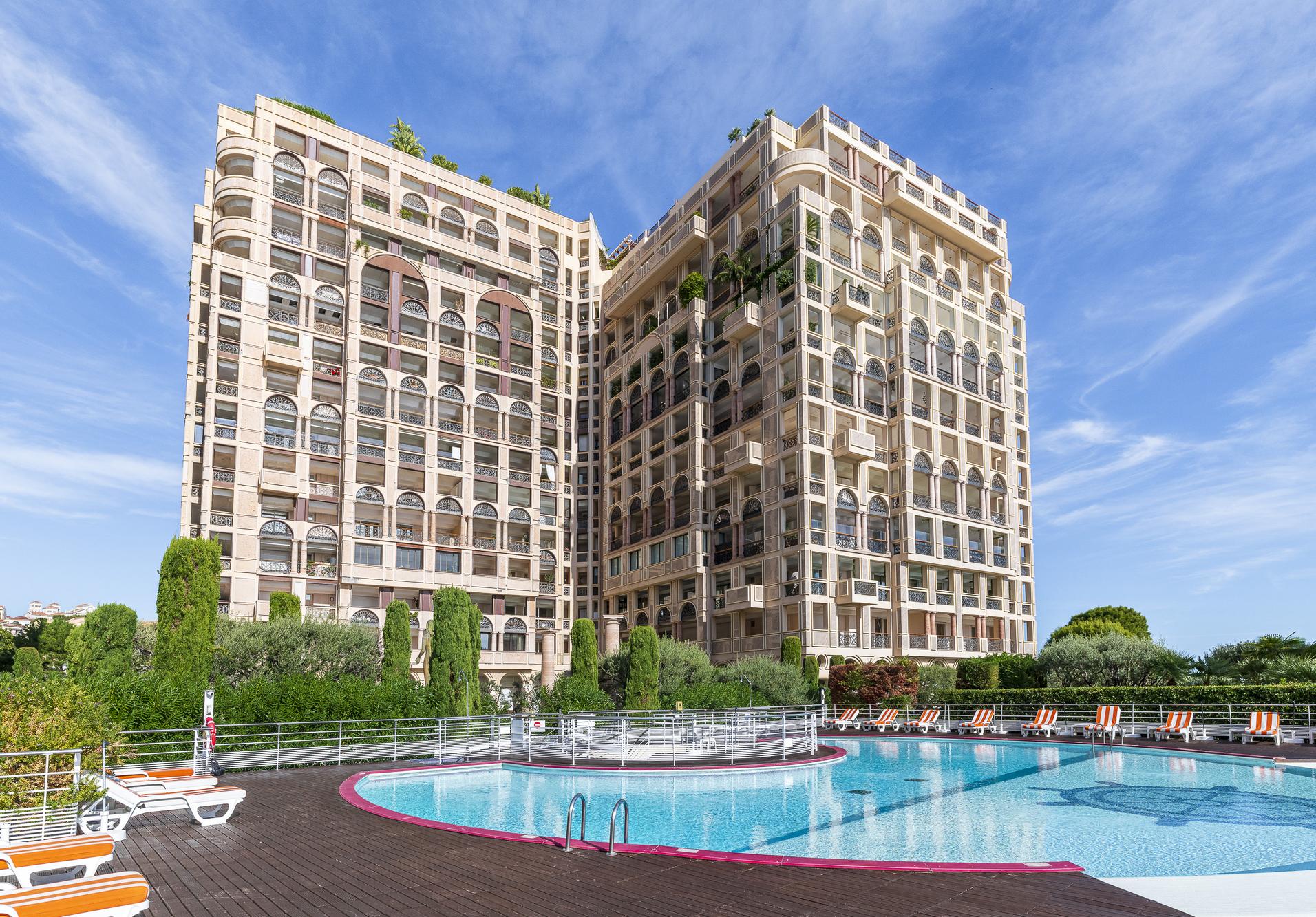
The historical market continues to exist with apartments priced between €40,000 and €70,000 per square meter. These properties form the market’s foundation, accessible to clients primarily seeking fiscal residency.
The premium market encompasses prestigious addresses, notably in the Carré d’Or or the Larvotto district. In this category, the price per square meter rises between €80,000 and €100,000. Buyers here are looking for the prestige of an address, architectural quality, and exceptional views.
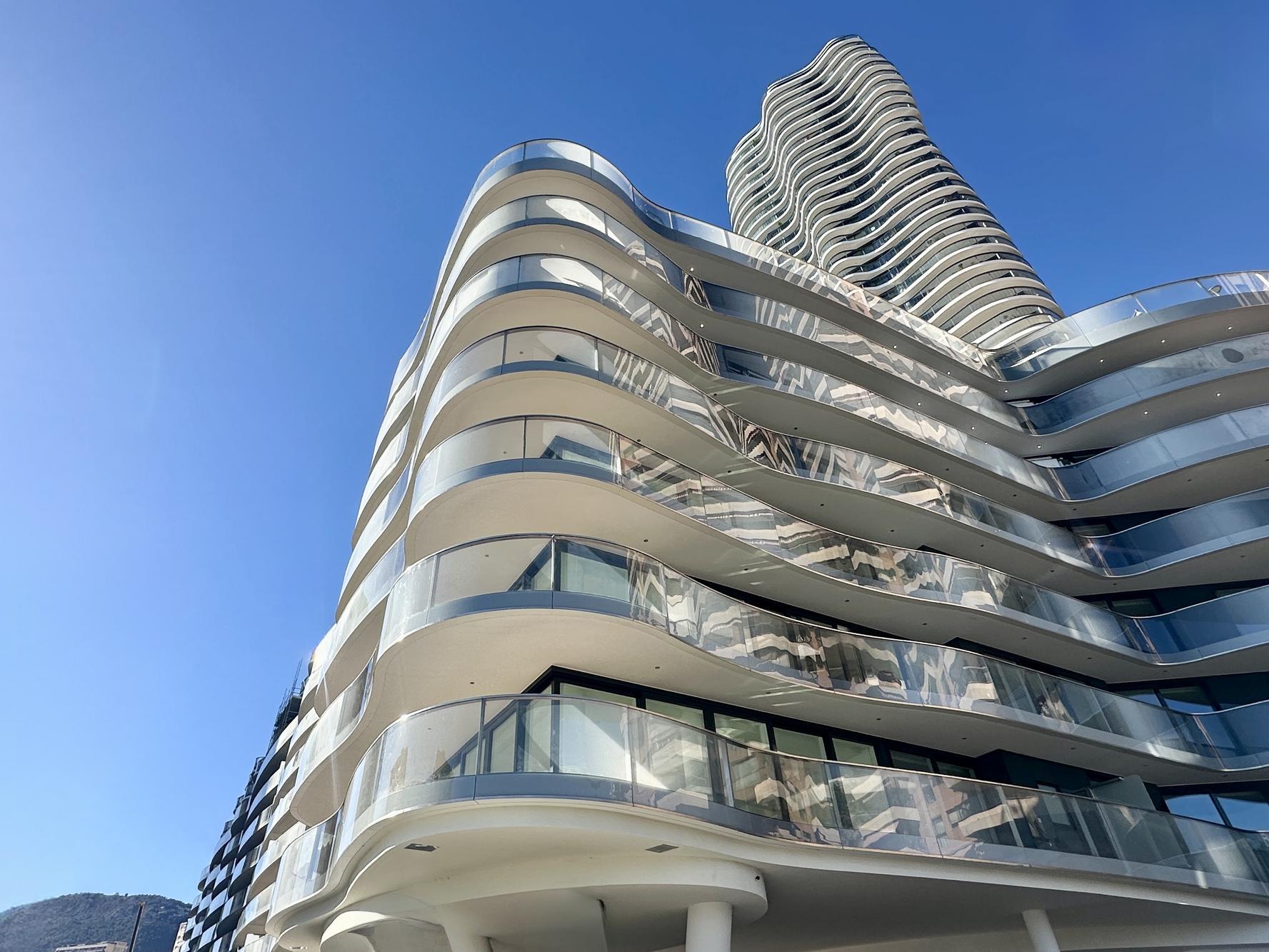
The ultra-luxury market emerges as a category of its own. Mareterra is its emblem, but a few iconic buildings also join this very exclusive club where the square meter exceeds €100,000. This segment no longer follows traditional real estate logic: it is closer to the art market, where absolute rarity and global prestige justify stratospheric valuations.
Faced with this ultra-wealthy clientele, Monegasque developers have carried out a silent revolution. Gone is the race for small, profitable units. In their place are XXL apartments, sprawling penthouses, and services worthy of five-star palaces.
This strategy addresses a recurring criticism: Monaco lacked properties that meet the standards of billionaires accustomed to absolute luxury. Recent developments fill this gap with apartments regularly exceeding 500 square meters, equipped with luxury hotel-level services: concierge, private pools, climate-controlled wine cellars, private gyms.
The Mareterra Effect: More Than a Maritime Extension
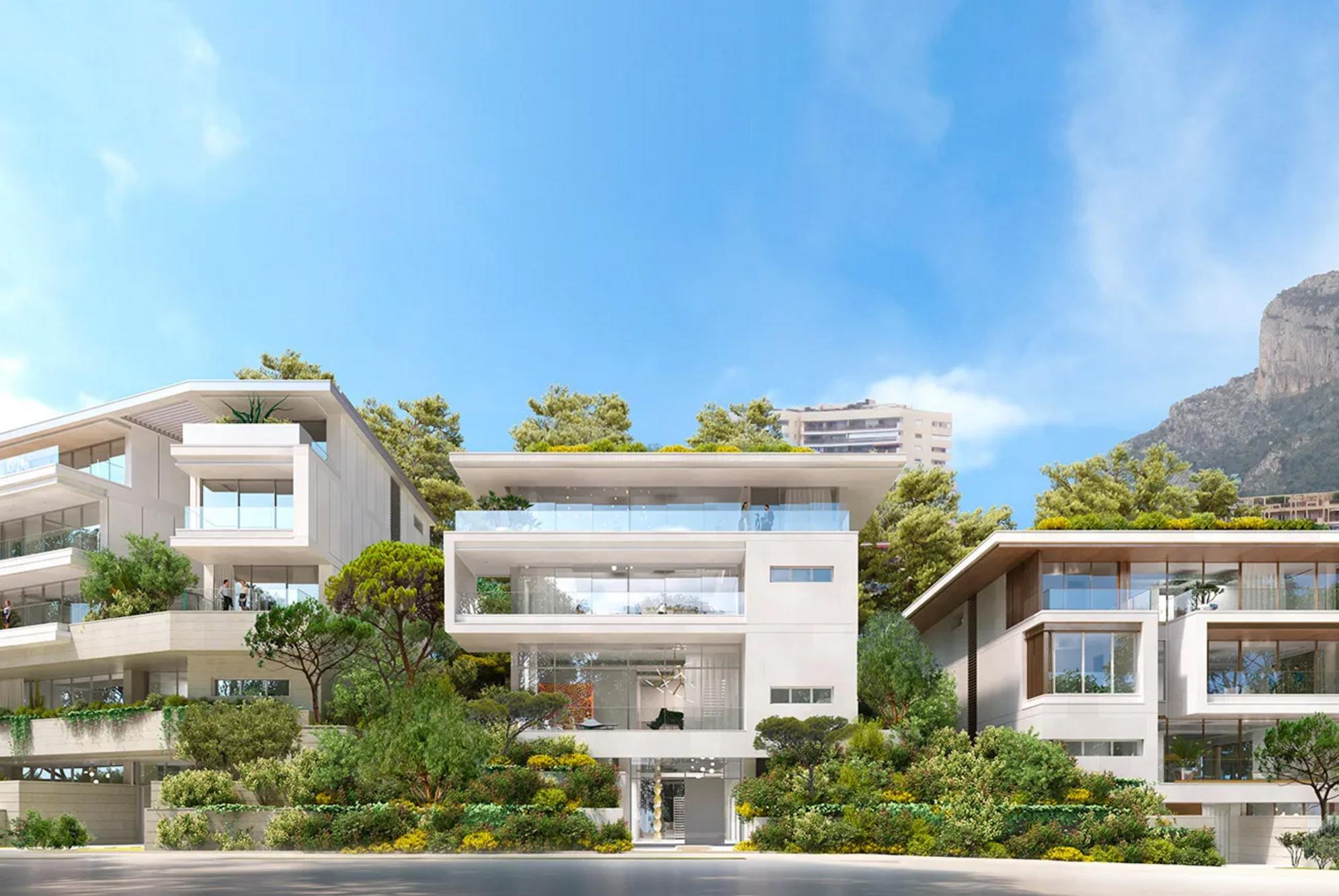
The 130 residences delivered in Mareterra at the end of 2024 contribute significantly to the record performance of new developments in the Principality, with sales totaling over €2.5 billion in the first half of 2025. Mareterra is not just a new district; it is a strategic response to an equation that seemed unsolvable: how to grow when expansion is no longer possible?
Beyond the numbers, Mareterra embodies a vision: proving that Monaco can still create rarity within rarity. This program has also had a major indirect effect. By setting new standards of pricing and services, it lifts the entire market. Buildings that seemed expensive yesterday suddenly appear affordable compared to Mareterra’s rates.
The Macroeconomic Variable: Monaco Strikes Back
The timing of the real estate rebound coincides with extraordinary economic performance. In 2024, GDP exceeded €10 billion for the first time, with growth of 8.8%, far above European averages.
This prosperity is no miracle: it results from a diversification strategy pursued over fifteen years. Less dependent on tourism and casinos, the Principality now relies on business services, private finance, and scientific activities. The construction sector jumped 23.8%, mechanically boosting generated wealth.
This economic strength attracts entrepreneurs and investors seeking stability and performance. With a third of the population being millionaires, Monaco creates a multiplying effect: wealth attracts wealth, success attracts success.
2026: Consolidation or New Acceleration?
Professionals anticipate stabilization at a historically high level. Without the massive deliveries of 2024–2025, volume would naturally taper off. But demand remains intact, driven by three sustainable factors.
First, structural scarcity: Monaco can only expand toward the sea, at the cost of colossal investments. Every square meter gained costs a fortune, ensuring high floor prices.
Second, geopolitical stability: in an uncertain world, Monaco embodies the ultimate safe haven. No public debt, strong institutions, respect for confidentiality, and exceptional quality of life. The Principality’s exemplary security further enhances its attractiveness, drawing many residents who want to live in a safe and serene environment.
Finally, the network effect: the more wealth Monaco concentrates, the more it attracts wealth. This self-sustaining dynamic escapes traditional economic cycles.